
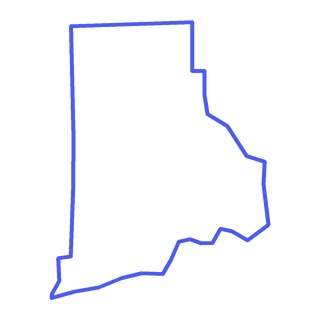
Pet Insurance in Rhode Island
State law governs Pet insurance Rhode Island owners buy by limiting waiting times, requiring disclosures, and controlling who sells coverage.
- State statute R.I. Gen. Laws sections 27-83-1 through 27-83-7 In force since January 1, 2026
- The state regulator is the Department of Business Regulation.
- Complaints go here: File a complaint.
- Illness waiting period: illness and orthopedic waits are capped at 30 days.
- Accident waiting period: no waiting period is permitted for accidents.
- Renewal no wait: At renewal, a waiting period can't be applied again.
- Free look: Free look: within 15 days of receipt you may return a new policy and get your premium back.
Reference sources: Department of Business Regulation home page, Department of Business Regulation: file a complaint, the NAIC Pet Insurance Model Act state page chart (#633), Rhode Island Public Laws 2025, Chapter 422 (Pet Insurance Act), and Rhode Island General Laws § 27-83-3, official text.
On July 2, 2025, state lawmakers passed the Pet Insurance Act, and the rules began applying on January 1, 2026. The statute appears in the state general laws, sections 27-83-1 to 27-83-7, as a national model law adoption.
Every company and agent that sells policies in the state is overseen by the Department of Business Regulation. Across North America, 7.6 million pets are covered. In the United States, 4.27% of all pets are insured, including dogs at 5.99% and cats at 2.29%.
Rhode Island pet insurance laws
The state statute lays down clear rules about policies and about the way pet owners are treated by companies. After you buy a policy, a waiting period passes before your coverage begins to pay vet bills.
- Waiting period caps: According to state rules on waiting times, illness and orthopedic waits cannot exceed 30 days, and accident coverage has no waiting period.
- Renewing without a new wait: Under the state definitions statute, insurers cannot impose another waiting period during renewal of your policy.
- Free-look refund period: A new policy can be read and canceled for a refund in this time. The required disclosures law allows you to return a new policy within 15 days after receiving it and have your premium returned.
- Clear exclusion notices: insurers must clearly state policy exclusions, covering pre-existing conditions as well as hereditary, congenital, and chronic ones.
- Pre-existing condition definition: Under state law, vet advice, treatment, or signs before coverage begins or during a waiting period establish a pre-existing condition.
- Denied claims: the insurer must prove that an exclusion applies when a claim is refused as pre-existing.
- Wellness plan rules: Buying coverage may not depend on purchasing a wellness plan, and wellness plans may not be marketed as pet insurance.
- Agent licensing and training: agents who sell coverage need a license and must complete pet insurance training first.
Rhode Island pet insurance companies
These companies list availability in all 50 states: Nationwide, Spot, Embrace, Fetch, Pets Best, and Trupanion. With Trupanion, some products and discounts may not be offered to everyone in every state. GEICO also sells plans in the United States, but you can't get coverage in every state. Its Wellness Rewards program is unavailable in Rhode Island.
National industry cost data shows $836 a year ($70 a month) as the average for a dog accident and illness plan. A cat's accident and illness policy costs an average of $435 a year, which is $36 a month. Accident-only plans average $190 a year for a dog, or $16 monthly; for a cat, $112 a year, or $9 monthly. The figures shown are national rather than specific to Rhode Island. Your quote depends on your ZIP code, along with your pet's breed, age, and species.
How to file a Rhode Island pet insurance complaint
The state regulator can help if there's an issue with a claim, a refund, or the sale of a policy. The insurance consumer division of the Department of Business Regulation handles consumer complaints and answers questions.
Before you file your complaint, gather the claim numbers, the policy paperwork, the veterinary records, and any emails or letters the company sent you. Clear copies of your records help a state reviewer see how your policy was handled by the insurer.
Ask what plans cost for your pet
We do not sell insurance, provide quotes, or bind policies; an insurance agency receives your request.