

ASPCA Pet Insurance Review
Dog and cat owners get three choices through ASPCA pet insurance: coverage for accidents and illnesses, a policy for accidents only, or a wellness add-on.
- Dog example: $39 each month.
- Sample price for a cat $19 a month.
- Annual deductible amounts: $100, $250, or $500.
- Your yearly payout cap: $2,500 or unlimited.
- Reimbursement rate 70%, 80%, or 90%.
- Illness: the waiting period is 14 days.
- Accident: the waiting period is 14 days.
- Covered: exam fees.
- Oldest age allowed to join: No upper age limit applies.
- Wellness add-on: Yes, it can be added.
Sources: Pet Insurance in Plain English - The Terms You Need to Know, plus The Best Senior Dog Insurance | ASPCA® Pet Health Insurance
You can buy coverage in all 50 states, and PTZ Insurance Agency, Ltd. produces the policies. The policies are underwritten by Independence American Insurance Company or by United States Fire Insurance Company. If you file no claims, new policies include a money-back guarantee of 30 days (in Louisiana and Maine, 15 days; not offered in New York).
The plan reimburses 70% to 90% of a covered vet bill, paying that percentage back to you. The waiting period is how long you wait after enrolling before coverage begins. Standard waits run 14 days, but knee and orthopedic conditions need longer.
ASPCA pet insurance plans and cost
Dog and cat owners can choose Complete Coverage for accidents and illnesses, or an accident-only policy or wellness add-on for routine care. For dogs on a plan covering both accidents and illnesses, one published example lists an average monthly premium of $56. This is one published example for a dog. It isn't a price typical of every pet.
The settings you choose at checkout decide what you pay each month. The annual deductible is what you pay from your own pocket every year until your plan begins paying. Choose a yearly deductible of $100, $250, or $500, plus a reimbursement rate of 70%, 80%, or 90%.
Each year's payout cap can be set at $2,500, or you can choose an option with no limit. If you cover more than one animal, each extra pet on the policy earns you a 10% multi-pet discount.
What ASPCA Pet Health Insurance covers for dogs and cats
With the Complete Coverage plan, unexpected injuries and sicknesses are covered for both dogs and cats. Covered care depends on the plan you select and includes:
- Vet exam fees for accidents and illnesses that are covered
- Hereditary and congenital conditions that Complete Coverage includes
- Treatment for dental illness
- Behavior problems and alternative therapy
- Preventive care when you add an optional wellness add-on for an extra fee.
Each policy lists exclusions as well. A pre-existing condition means your pet shows signs of an illness or injury before coverage begins. Plans exclude pre-existing conditions, breeding costs, and cosmetic procedures such as tail docking.
Waiting periods and age limits at ASPCA
Your puppy or kitten can enroll in ASPCA cat insurance or a dog policy from 8 weeks old. For older animals, you can enroll a senior dog or cat with no upper age limit.
Once you sign up, coverage starts after the waiting periods finish. You face a 14-day waiting period for accidents, and a 14-day wait for illnesses. Knee and cruciate ligament conditions fall under orthopedic problems, which carry a 12-month waiting period.
Claims and reimbursement at ASPCA
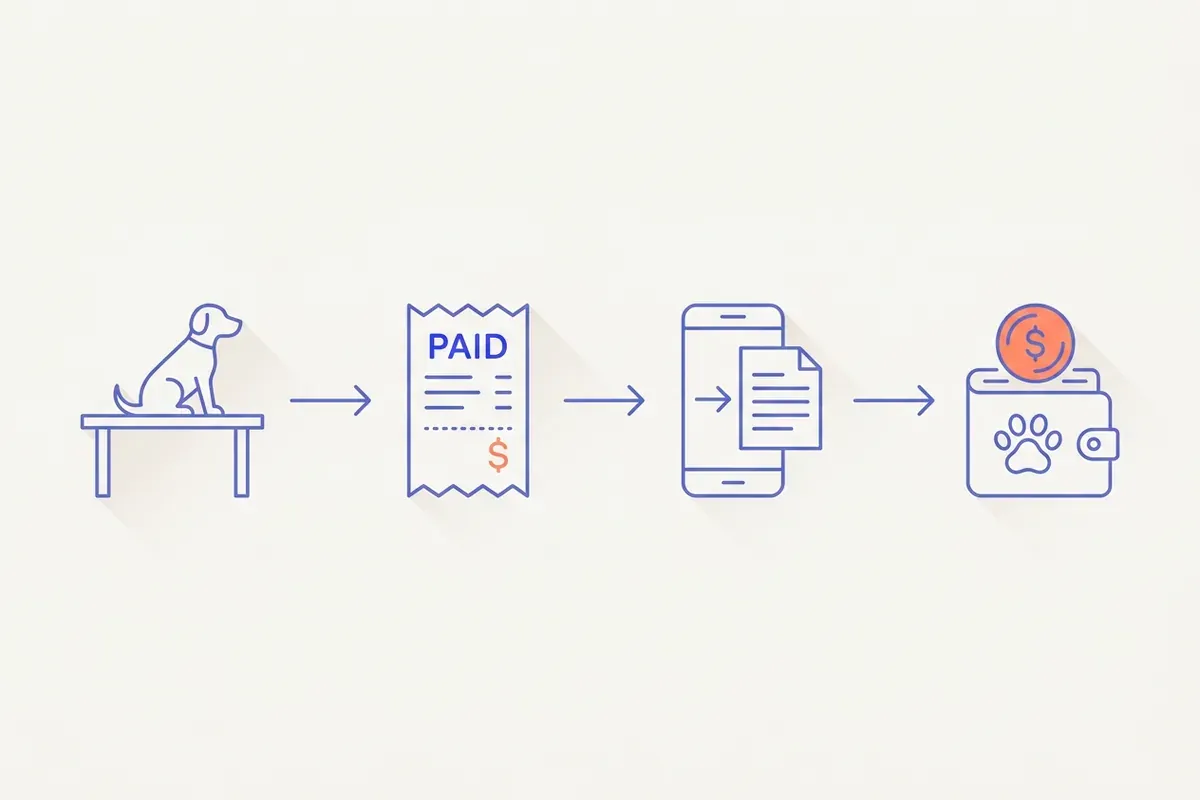
With ASPCA animal insurance, your vet is not paid directly at the clinic. You pay your veterinarian when your pet is treated, then submit a claim for reimbursement.
Use the My Pet Insurance app or the online Member Center to send in claims. The company also takes claim forms sent by email, fax, or regular mail. How long claims take to process isn't stated in the published policy details.
Who ASPCA is right for
These plans suit owners of older pets: senior dogs and cats of any age can enroll. They work for people who want exam fees covered, behavioral care, and alternative therapy all included. If several animals live in your home, you can also apply the discount to each extra pet.
You might shop around if you need a plan with direct vet payment at checkout. Paying the vet bill upfront and waiting for reimbursement is required. It's a poor fit too when your pet needs fast knee coverage or has health problems already.
Common questions
Is it worth it to get ASPCA pet insurance?
The value you place on exam fee coverage, protection for hereditary conditions, and enrollment open to seniors decides whether a plan fits your budget. Weigh those perks against the need to pay your vet upfront and wait for a check. Use the money-back period to read the policy terms, which lets you review the rules before making a claim.
Does ASPCA pet insurance include pre-existing conditions?
No, they aren't covered. Health issues showing signs before coverage starts fall outside the policy. One exception applies: a condition cured for 180 days, free of treatment and symptoms, no longer counts as pre-existing, except problems of the knee and ligaments.
What steps do I take to get an ASPCA pet insurance quote?
On the company website, you can request a price quote by entering the basic details of your dog or cat. You can then change your deductible, reimbursement level, and annual limit, which shows how each choice affects the cost.
ASPCA Pet Health Insurance plan terms
| Term | Plan terms |
|---|---|
| Pets covered | Dogs and Cats |
| Plan types | Accident and illness, Accident only, Wellness add-on |
| Underwriter | Independence American Insurance Company or United States Fire Insurance Company |
| Plans offered through | PTZ Insurance Agency, Ltd. (produces the insurance) |
| Deductible options | Annual deductible amounts: $100, $250, or $500. |
| Deductible type | Annual |
| Reimbursement options | 70%, 80%, or 90% |
| Yearly limit choices | $2,500 or unlimited |
| Wait before accident cover | 14 days |
| Illness waiting period | Illness: the waiting period is 14 days. |
| Youngest age to enroll | 8 weeks |
| Oldest age to enroll | No upper age limit |
| Exam fee cover | Covered |
| Pre-existing conditions | Not covered, though a condition cured for 180 days with no treatment and no symptoms stops counting as pre-existing (except knee and ligament conditions). |
| Cured pre-existing conditions | Yes, if a condition has been cured and has had no treatment and no symptoms for 180 days (knee and ligament conditions excepted) |
| Hereditary and congenital conditions | Covered |
| Dental illness | Covered |
| Behavioral conditions | Covered |
| Alternative therapy | Covered |
| Wellness add-on | Covered |
| Multi-pet discount | 10% for each additional pet |
| Pays the vet directly | No |
| Claims app | My Pet Insurance app; also online Member Center, email, fax, mail |
| Where it is sold | All 50 states |
| Free-look period | A 30-day money-back guarantee applies if no claims are filed; the window is 15 days in Louisiana and Maine, and it isn't available in New York. |
Sources list: Compare Banfield to ASPCA® Pet Health Insurance, What Does Pet Insurance Cover? | ASPCA® Pet Health Insurance, Dog Insurance Plans - Rated One of the Best | ASPCA® Pet Health Insurance, Pet Insurance For Dental Care | ASPCA® Pet Health Insurance, ASPCA Pet Health Insurance Review and Pricing (2026)
Pros
- Enrollment is open at any age.
- The plans cover exam fees.
- Complete Coverage includes hereditary and congenital conditions.
Cons
- You pay the vet yourself first, then get reimbursed; there's no direct vet payment.
- A 12 month waiting period applies to knee and ligament conditions.
- Pre-existing conditions aren't covered.
Ask for your pet's plan prices
We do not sell insurance, quote policies, or bind coverage; an insurance agency receives your request.
Other insurers compared here
| Insurer | Monthly, dog | Monthly, cat | Accident wait | Oldest age to join |
|---|---|---|---|---|
 | $30 to $59 a month | $14 to $23 a month | No wait | No upper age limit |
 | $30 a month | $14 a month | 1 day | No upper age limit |
 | $32 to $157 a month | $20 to $107 a month | 3 days | No upper age limit |
 | $32 a month | $15 a month | 14 days | No upper age limit |
 | $35 a month | $17 a month | 14 days | No upper age limit |
 | $36 to $99 a month | $23 to $51 a month | 5 days | No upper age limit |
 | $39 to $69 a month | $19 to $35 a month | No wait | No upper age limit |
 | $39 a month | $19 a month | 14 days | No upper age limit |
 | $43 a month | $19 a month | 14 days | Before age 9 |
 | $53 to $117 a month | $24 to $47 a month | No wait | No upper age limit |